
AI Skin Scan Apps: Helpful Tech or High-Tech Hype?
Are your selfies just being used to sell you products?

Executive Summary
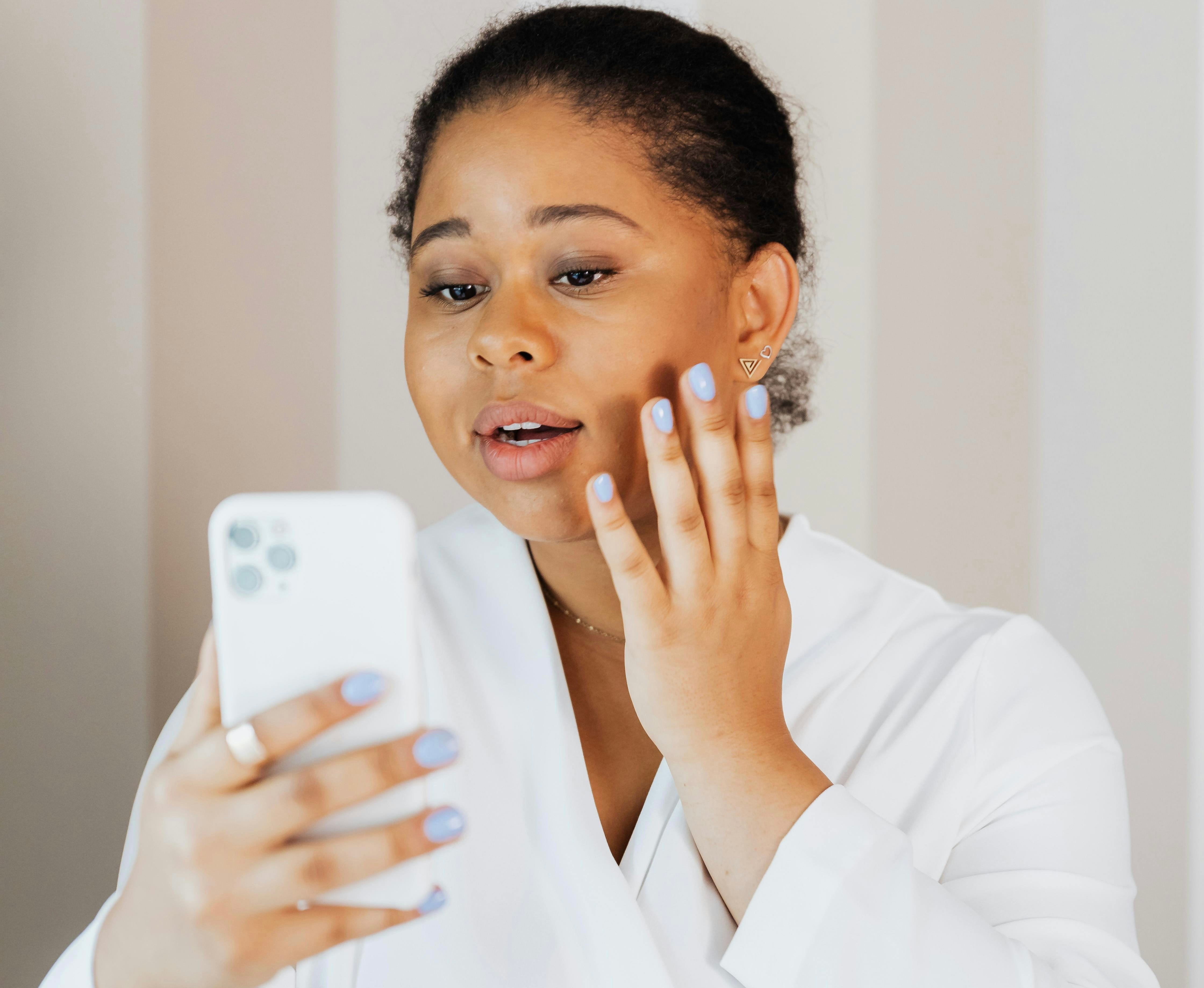
AI skin scan apps are suddenly everywhere on social media.
They claim to analyze your skin or detect skin cancer from selfies.
Most are designed to sell products, not provide medical insight.
They can create a false sense of security about skin cancer and unnecessary anxiety about appearance.
Bottom line:
These apps create more confusion than clarity. They are not reliable for skin cancer detection and may worsen appearance anxiety, especially in young girls.
What Are AI Skin Scan Apps?
Out of nowhere, there is a flood of AI skin scan apps all over social media.
Many of these are free or “freemium,” and dozens of them are developed by major cosmetics brands you’ve heard of.
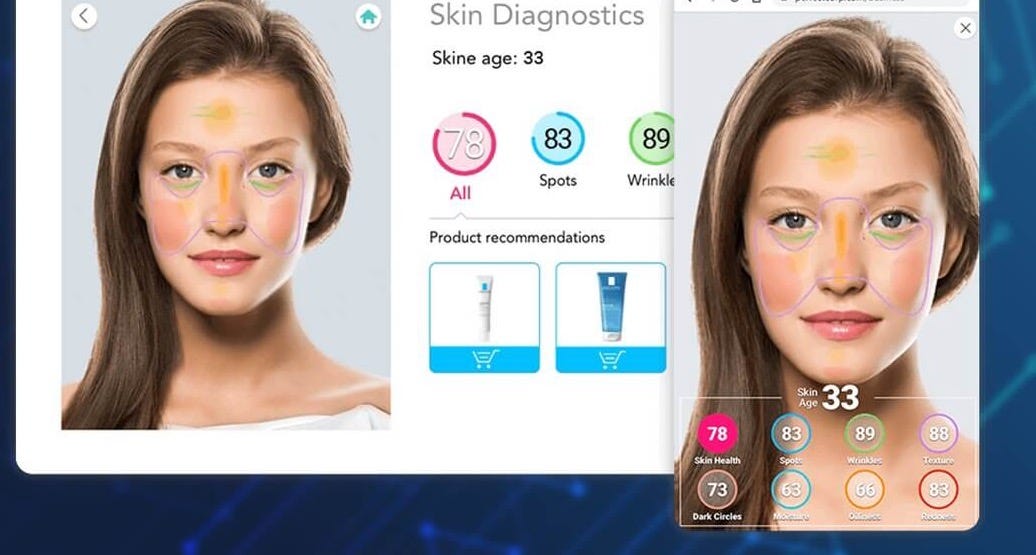
You download these apps, take selfies with your phone from different angles, and it spits out commentary on your skin. Often this will include analysis of your:
Wrinkles
Pores
Blood vessels (i.e. redness)
Sun damage
Skin age
Many apps will give you an overall skin health score. You may even get a prediction of what your skin will look like in the future.
And almost certainly, you’ll get product recommendations.
How Do These Apps Work?
AI skin scan apps use artificial intelligence to analyze photos of your face. Not your skin itself but a picture of your skin.
These programs are actually pretty good at studying images. They look at color, contrast, shadows, and texture. They compare your photo to huge databases of other photos and look for patterns.
But it’s important to understand the limitations.
A photograph is just a 2-dimensional image. They’re great for sharing memories, but they’re really not great for visualizing your skin.
Dermatologists found this out the hard way during the COVID pandemic, when patients were attempting to text images of their rash or suspicious spot from home. Despite patients’ best efforts, most of these photos were out of focus. But even with a rare high-quality photo, it was almost impossible to differentiate a melanoma from a completely benign growth.

Skin is a three-dimensional structure. It has thickness, blood flow, hair follicles, and support structures. Your skin changes throughout the day. A cellphone camera cannot feel your skin, press on it to look from different angles, or see below the surface.
Also, with these apps, it’s very easy to get wildly different results when images are complicated by:
different lighting
makeup
moisturizers
filters
using a different phone or camera.
So while these apps sure look medical, these things are really just cool tech mixed with really slick marketing.
I don’t want to be overly critical. I think that if you are looking for makeup ideas to match your complexion, this might be a great tool. Or if you’re just looking to have fun and take any results with a grain of salt.
As long as you’re cool with the knowledge that the real goal here is to sell you a skin cream, or direct you to an influencer with similar goals.
Skin Cancer Detection Apps
This is a little bit more worrisome. People hear “AI” and assume that they’re getting correct information.
As we discussed, detecting skin cancer is almost impossible using flat 2-D images, even for trained professionals.
In real life, dermatology providers look at suspicious lesions under professional lighting, from multiple angles, often with special magnifying tools while also feeling the skin. They take patient histories. If worried, they do a biopsy, which is the only way to confirm the diagnosis of skin cancer.
A selfie on your phone can’t do any of these things, and we are a long way from cellphone apps being able to reliably detect skin cancer.
Getting an “all clear” when you actually have cancer means ignoring a malignant skin lesion. This is a tragedy. One American dies every 60 minutes from skin cancer, and early detection saves lives.
I’m not saying that this kind of technology will never exist, but we’re not even close in 2026.
Take Home Advice
If you want to use these apps for fun, that’s fine.
These apps are also a good way of chronicling skin changes over time, or taking before-and-after photos, if you’re into that sort of thing.
But don’t treat them like medical devices. They can’t diagnose skin problems or tell you if something is dangerous.
Be especially cautious when an app finds “problems” and immediately tries to sell you expensive products to fix them. That’s what these apps really are: a way to sell people skin creams in a convincing way.
Use common sense and treat these things like a novelty. Don’t fall for expensive product recommendations. Remember that AI hallucinates all the time and doesn’t readily admit when it’s wrong.
It’s very unlikely that these apps are going to conclude: “congratulations, you look great.” If your skin looks healthy and feels fine, don’t let an app convince you that there is something wrong with you. This is especially true for teen girls, at risk for body dysmorphia.
And, of course, if you have a spot that’s changing, bleeding, itching, or not healing, an app is not the answer. Make an appointment at a dermatology office.
Bottom Line
These apps are interesting and fun. They can track surface changes in photos. But in 2026, they create more confusion than clarity.
AI can find common themes in pictures, but it can’t think, feel, or use clinical judgement like a dermatologist.
I’m very worried about young girls using these apps thinking that there is something wrong with their skin and appearance, which is the last thing they need more of.
Knight Score:
💎💎 2 out of 5 Diamonds
Marissa Knight says: Your health has to be your number one priority. It simply isn’t worth the risk. For now, use these apps for makeup suggestions or product ideas only. And remember, you know your own skin better than any app ever will.
What do you think about AI Skin Diagnostics? Let me know.