#5 - "Anti-Inflammatory" Diets
Did TikTok finally get one right?

What Is the “Anti-Inflammatory Diet” and Why Is It All Over Social Media?
If you spend five minutes on TikTok, you’ll find someone warning that common foods (i.e. gluten, dairy, sugar, seed oils) are flooding your body with inflammation.
The term “anti-inflammatory diet” has become a wellness buzzword, and #antiinflammatorydiet has billions of views.
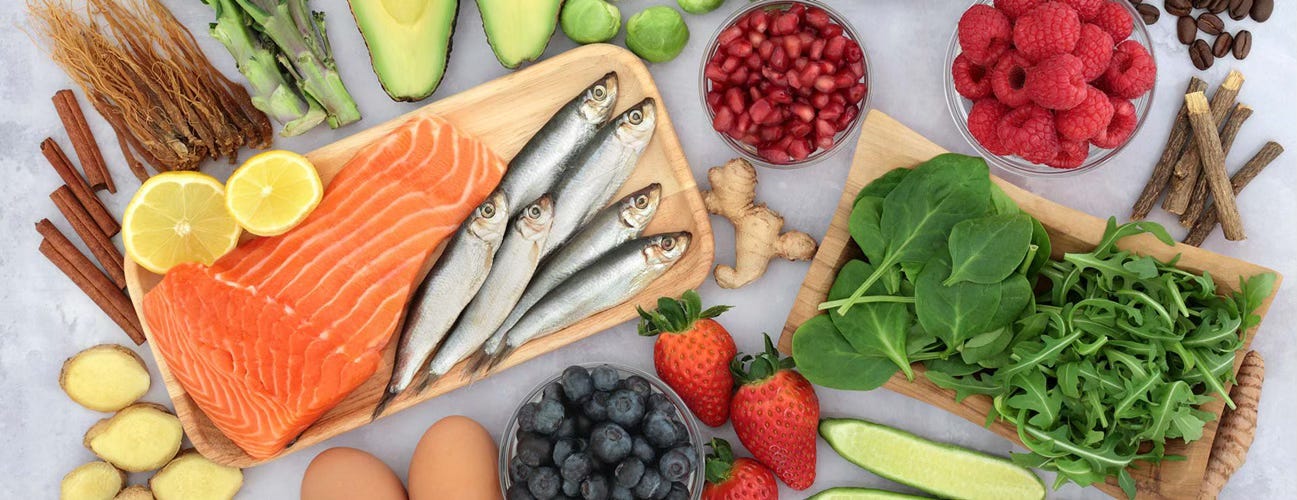
Most of these videos show the same foods - smoothie bowls, salmon, avocado toast, nuts, berries, leafy greens - promising clearer skin, sharper thinking, longer healthspan, and restful sleep.
But when you strip away the hype, almost all of this content is just recycling the greatest hits of the Mediterranean diet, right down to obvious buzzwords like antioxidants, omega-3s, and polyphenols.
The Mediterranean Diet dates back to the Seven Countries Study in the 1950s. Social media just slapped on a new label and sent it worldwide.
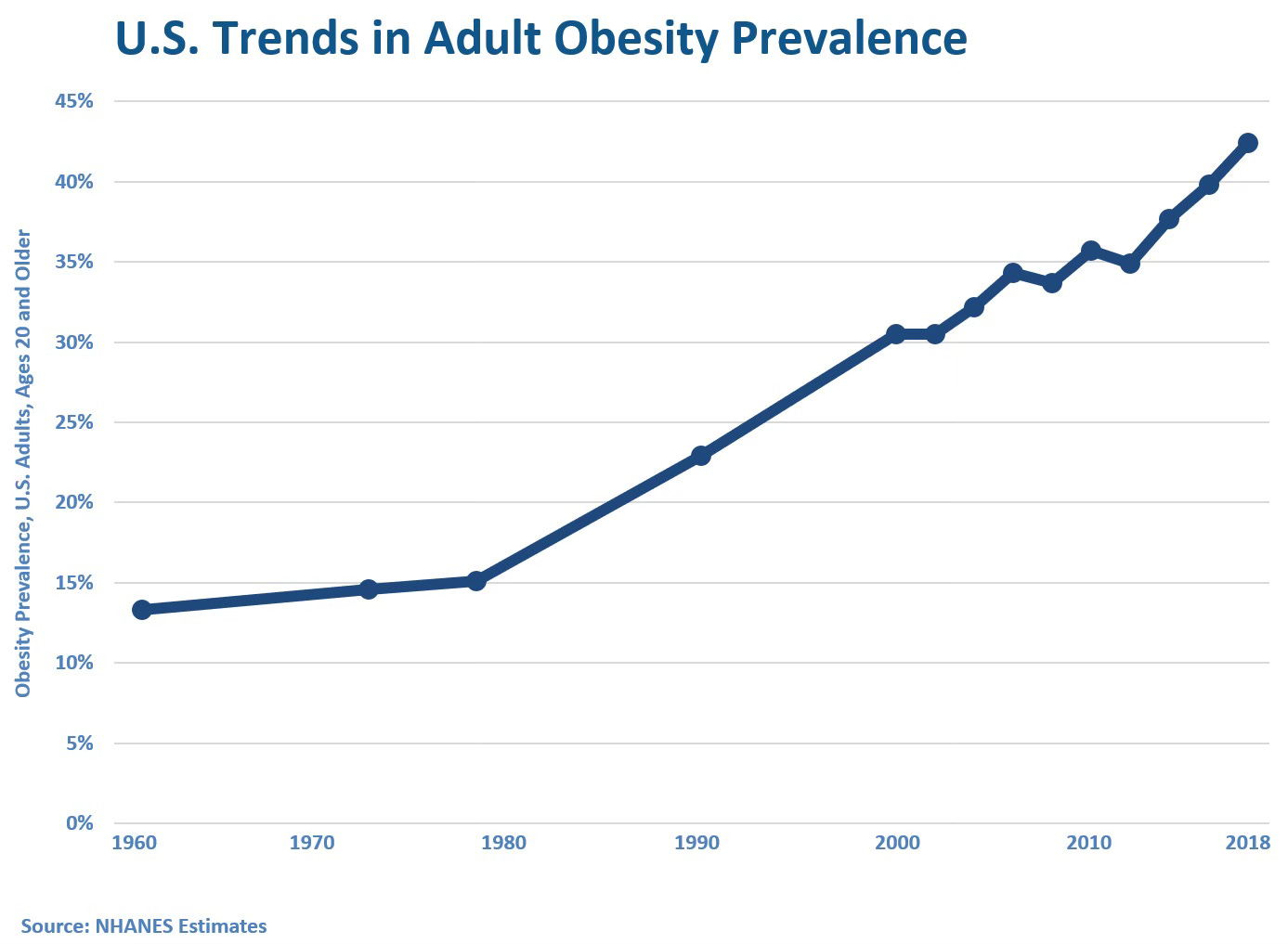
That being said, the obesity rate in America has gone from around 10% to over 40% in my lifetime, driven by the Standard American Diet (SAD). Chronic inflammation is really bad for our health, and a bad diet can be a major contributing factor.
While social media almost always over-simplifies and promotes fringe science, there are some good ideas buried in the “anti-inflammatory” diet trend.
What Is the Mediterranean Diet?
The Mediterranean diet is one of the earliest scientifically studied examples of an eating pattern that reduces inflammation. It focuses on simple, whole foods:
Vegetables, fruits, whole grains, nuts, seeds, and olive oil
Moderate amounts of fish, chicken, eggs, and dairy
Minimal red or processed meat and added sugars
A 2022 review of high-quality studies found that people following a Mediterranean-style diet had lower levels of inflammatory markers in their blood. In other words, this way of eating can meaningfully dial down chronic inflammation.
We also know that diets high in ultra-processed foods and low in fiber disrupt the gut microbiome and promote inflammation. This is one of the biggest differences between the Mediterranean diet and the SAD.
A related concept is the idea of Blue Zones, a term from a 2005 National Geographic story (N.B.: this link is worth reading when you have time). These are regions where people routinely live longer, such as:
Sardinia, Italy
Okinawa, Japan
Nicoya Peninsula, Costa Rica
Loma Linda, CA (Seventh-Day Adventists)
Diet is one piece of this story. Blue Zones also share habits like daily movement, strong community ties, a sense of purpose in life (“ikigai”), low stress, along with simple, minimally processed meals.
What Is Chronic Inflammation, and Why Is It Bad?
Inflammation isn’t the enemy. It’s how your body protects itself from infections and injuries. Without inflammation, we’d be in deep trouble.
When you cut your finger or catch a cold, your immune system sends out repair cells. The swelling, redness, and fever you feel are signs that your body is doing its job.
Problems start when the inflammation army never retreats. If your immune system keeps sending out those repair signals day after day, the inflammation begins to damage healthy tissue. This long-term, low-grade inflammation is linked to major health issues, including heart disease, diabetes, dementia, and even some cancers.
Chronic inflammation can be triggered by stress, poor sleep, obesity, smoking, and especially ultra-processed, low-fiber foods that dominate the SAD.
Put simply, certain foods in the SAD (soda, fried foods, alcohol, and snacks in wrappers) act like lighter fluid on the body’s smoldering immune blaze.
Other foods (berries, fish, olive oil, vegetables) help calm things down.
The idea of an anti-inflammatory diet is simple: choose more of the foods that support your immune system, and fewer of the ones that keep it on high alert.
Unfortunately, many TikTok videos take things too far, making recommendations that can’t be scientifically proven, like:
Loading up on probiotics, vitamins, and supplements
Cutting out entire food groups like gluten or dairy
And of course, there are almost always product tie-ins behind this advice, representing billions of dollars in revenue.
A Brief Word About Orthorexia
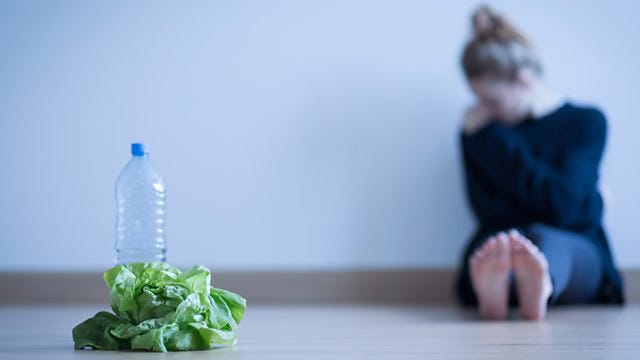
There is a point where “healthy eating” stops being healthy. Orthorexia isn’t an official medical diagnosis, but it describes a pattern I’m seeing more often: people becoming so rigid about “clean,” “pure,” or “anti-inflammatory” foods that normal eating feels dangerous.
Orthorexia usually begins with good intentions. Someone cuts out sugar, then seed oils, then gluten, then dairy. Before long, their list of “allowed” foods is so narrow that eating at a restaurant or a friend’s house becomes impossible.
Most of these patients are also taking handfuls of supplements: prebiotics, postbiotics, vitamins, powders, and “detox” blends. The routine becomes expensive, complicated, and exhausting.
Two problems follow. First, their diet becomes nutritionally lopsided, and often lacking in essential micronutrients.
Second, and more importantly, the emotional stress of trying to eat perfectly creates more inflammation than the foods they were trying to avoid.
The end result is a truly miserable patient: bloated, irregular, gassy, anxious, and overwhelmed.
The goal with an anti-inflammatory diet isn’t perfection. The goal is a sustainable way of eating that keeps you healthy while still letting you enjoy your life.
Take-Home Advice: Anti-Inflammatory Diets
Don’t make it complicated. You don’t need special shopping lists, detox kits, juice cleanses, or handfuls of supplements. A basic anti-inflammatory diet is simple:
Add colorful fruits and veggies to every meal
Eat fatty fish a couple of times a week
Swap sodas for water or black coffee (N.B.: View my segment on the amazing benefits of black coffee here)
Cut back or eliminate processed, sugary, pre-packaged foods
Try to shop the perimeter of the grocery store
Most healthy people don’t need to fear foods like gluten or dairy. Focus instead on a balanced, minimally processed, colorful diet. Combine this with regular exercise, good sleep, mindfulness/meditation, and low stress.
Remember, orthorexia can creep in when people become hyper-focused on eating. I’ve seen patients end up anxious, bloated, and miserable. It’s a real problem. Don’t go down that rabbit hole!
_-_The_Nursery_Alice_(1890)_-_BL.jpg)
Take-Home Point: I give TikTok a hard time, but if this diet trend inspires people to swap out powdered doughnuts for blueberries, I’ll take it. That’s a win!
Knight Score: 4/5 Diamonds

Marissa Says: I follow a 90/10 style of eating (90% Mediterranean and 10% fun). Mostly whole foods like veggies, fruit, and high quality protein - with room for real life!
What do you think? Let me know:
The Author

Contributing Editor